5 Risks Threatening the Car Rental Sector in Saudi Arabia
November 14, 2025

The car rental sector in Saudi Arabia is witnessing remarkable growth alongside the expansion of the economy and the development of transportation and logistics services. Despite a positive outlook, the sector faces several risks that could hinder sustainable growth if not effectively managed through advanced technological solutions. This article highlights the five key risks and how car rental management systems, like Ostool, can help companies mitigate them and make informed operational decisions.
Key Challenges Facing Car Rental Businesses
1. Rapid Transformation of Public Transport Infrastructure
Saudi Arabia is investing heavily in public transport projects such as metros, trains, and modern bus services. This reduces reliance on short-term car rentals, particularly in major cities like Riyadh, Jeddah, and Dammam. Rental companies may face lower demand and decreased occupancy rates, alongside increased competition for smaller customer segments. To counter this, companies should diversify demand sources to maintain profitability.
2. Proliferation of Smart Transportation Apps
The rapid growth of ride-hailing and on-demand transportation apps is changing consumer behavior. Customers increasingly prefer flexible transport solutions over short-term rentals. Rental companies need to adopt more adaptable operational models to retain customers and maintain operational efficiency.
3. Accelerating Regulatory Changes
Continuous updates in insurance, e-invoicing, and operational regulations increase compliance complexity and place extra obligations on companies. New requirements can strain cash flow, especially with long corporate contract cycles. Using systems aligned with Saudi standards ensures automated updates, unified compliance processes, and uninterrupted daily operations.
4. Challenges in Achieving Synergies Post-Acquisitions
After acquisitions, companies often struggle to achieve expected efficiencies due to differences in operational systems, data gaps, multiple information sources, and weak links between operations and finance. This can increase costs and reduce efficiency. Standardizing operations, optimizing cost structures, and adopting unified systems for contracts, maintenance, and invoicing—along with integrated performance metrics—can help achieve operational synergies.
5. Declining Resale Value of Vehicles
Expanding fleets to increase market share ties up significant capital and adds operational costs (maintenance, insurance, fuel, and management). The entry of competitively priced Chinese vehicles has led to lower resale values for used cars, impacting operational liquidity. Companies need integrated management systems to monitor maintenance costs, vehicle profitability, and optimal vehicle lifespan to make timely resale decisions without harming fleet growth or profitability.
Potential Impact of These Challenges
- Lower Occupancy Rates: Public transport development reduces short-term rental demand in major cities.
- Higher Customer Acquisition Costs: Shift toward on-demand transport decreases traditional rental demand.
- Pressure on Operational Liquidity: Falling resale values of vehicles increase the financial burden.
- Operational and Financial Strain: Continuous regulatory updates raise costs and affect efficiency.
Strategies for Car Rental Companies to Address These Challenges
- Adopt Advanced Management Systems: Use integrated systems compliant with regulations to track vehicle performance, maintenance costs, occupancy rates, and profitability per vehicle—like Ostool.
- Diversify Demand Sources: Focus on corporate contracts and long-term rentals to stabilize revenue streams.
- Monitor Vehicle Efficiency: Use rental management systems to track vehicle performance and make timely decisions about resale.
- Unify Operational Systems: Integrate operations with finance and standardize procedures across branches to achieve synergies and reduce waste.
- Ensure Regulatory Compliance: Systems with automatic updates help maintain compliance with insurance, e-invoicing, and operational regulations without disrupting growth.
Ostool: Comprehensive Car Rental Management
Ostool is a cloud-based system for car rental management and logistics, combining fleet, contracts, maintenance, customer management, and e-invoicing in a single platform. Fully supporting Arabic, it integrates seamlessly with all official Saudi authorities, offering a complete operational experience for car rental companies and offices. Ostool’s strategic integration ensures smooth workflows, regulatory compliance, and simplified fleet management.
Related Articles

Ostool System | Unified Gateway for Tajeer and TAM Compliance
March 2, 2026
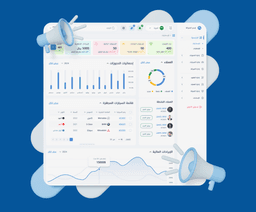
Ostool – Car Rental Management System
January 10, 2026

The Future of the Car Rental Market in Saudi Arabia
December 10, 2025

How Do Car Rental Management Systems Reveal Market Trends?
November 20, 2025

Car Rental Management System in Saudi Arabia | Ostool
October 22, 2025