The Future of the Car Rental Market in Saudi Arabia
December 10, 2025
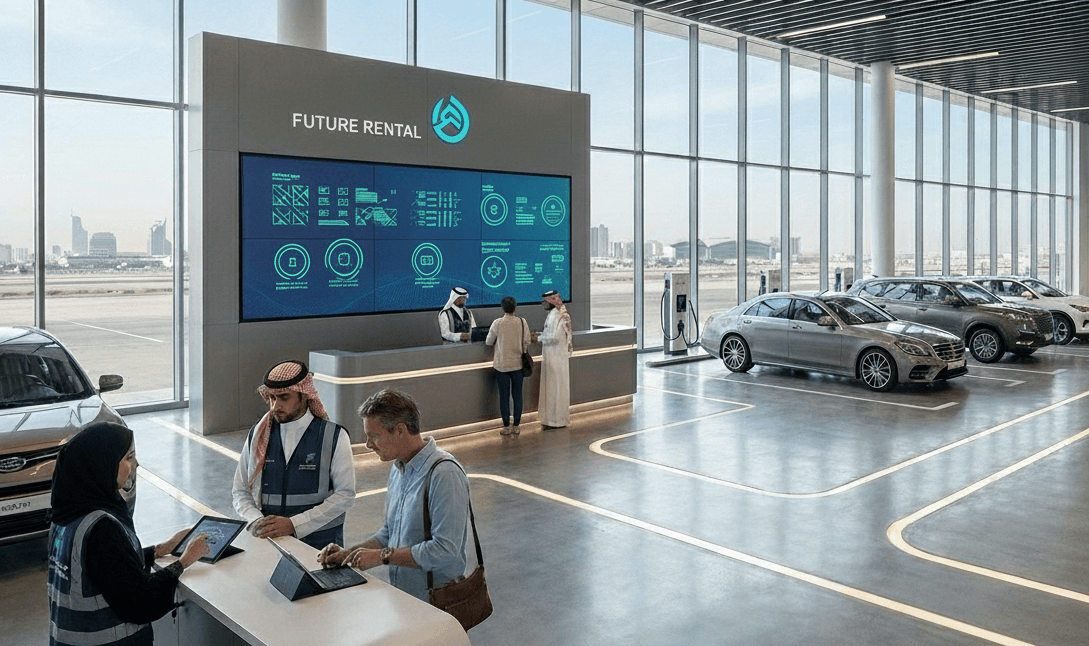
The Future of the Car Rental Market in Saudi Arabia
Economic reports indicate that the car rental market in Saudi Arabia is experiencing strong annual growth of approximately 9%–10%, with expectations for this trend to continue through 2030. This growth is driven by increased reliance on flexible mobility solutions, rising demand for both short- and long-term rentals, and the entry of local and international market players.
What Does the Future Hold for Saudi Arabia’s Car Rental Market?
The market is undergoing a major transformation driven by Vision 2030, tourism expansion, and rapidly increasing institutional demand.
Fleet Expansion by 2030
The number of operational vehicles is expected to continue growing due to rising visitor numbers, urban expansion, and higher demand for flexible mobility solutions.
Increased Demand for Long-Term Contracts
More companies are shifting to long-term operational leases instead of ownership, creating stable opportunities for rental companies capable of efficiently managing these contracts.
Greater Adoption of Cloud-Based Systems
The coming years will see a higher reliance on cloud-based car rental management systems that integrate with government entities, handle contracts and invoicing, and provide real-time data analytics.
Higher Competition Requires Operational Efficiency
With new players entering the market and more licensed companies, competition will intensify. Success will favor the most efficient and organized operators, rather than simply the largest.
Analytical Insight as a Competitive Advantage
Companies using data to understand market trends, analyze performance, and forecast demand will be better positioned for sustainable expansion and market share protection.
Key Factors Affecting Demand in the Car Rental Sector
Targeted Tourism Growth
Saudi Arabia aims to attract 150 million visitors annually by 2030, significantly boosting demand for mobility services, especially car rentals, in tourist cities, airports, and new entertainment zones.
Seasons and Major Events
Religious and tourism seasons, including Hajj and Umrah, official holidays, and events in Riyadh and Jeddah, create high-demand periods, increasing rental contracts and fleet utilization, particularly near airports and tourist centers.
Variety of Rental Types
Different visitor segments—short-term tourists, business travelers, and family visitors—drive demand for daily, weekly, and diverse vehicle types, from economy to family cars.
high-demand
Expansion of Tourist Infrastructure
Development of airports and new tourist destinations, like the Red Sea and AlUla regions, has geographically expanded demand beyond major cities, opening new growth opportunities for rental companies with flexible, well-managed fleets.
How Car Rental Management Systems Shape the Market
Improving Operational Efficiency
Management systems automate contracts, monitor maintenance, and manage fleets more accurately, reducing operational breakdowns and vehicle downtime.
Mitigating Seasonal Fluctuations
These systems help companies prepare for peak seasons and minimize low-demand periods through data analysis and demand forecasting, optimizing fleet distribution across regions.
Enhancing Compliance and Regulation
Rental systems ensure adherence to regulations such as unified e-contracts, electronic invoicing, and license and insurance tracking, increasing sector reliability for regulators and customers.
Improving Market Data Quality
Digital systems provide more accurate, comprehensive data, helping regulatory authorities and companies gain a clearer picture of market size and trends, and supporting precise economic studies.
Boosting Competitiveness and Sustainability
By improving cost management and proactive maintenance, management systems enhance company sustainability and reduce operational inefficiencies, leveling the playing field between large and medium-sized companies and raising overall sector competitiveness.
Choosing the Right Car Rental Management System
Regulatory Compliance and Integration
Select a cloud-based system compatible with Saudi authorities, such as the General Authority of Transport for licensing and the Zakat, Tax, and Customs Authority for e-invoicing and VAT compliance. This ensures smooth operations and accurate reporting.
Advanced Analytical Capabilities
The system should provide dashboards for performance analysis, revenue per vehicle, and customer behavior insights, enabling companies to detect market trends accurately and make data-driven strategic decisions.
Customizability and Scalability
A cloud-based system should manage multiple branches and adapt to different contract types, ensuring continuity without system changes as the company grows.
,
Ease of Use and Support
The interface should be simple, fully Arabic-compatible, and supported by responsive local technical assistance to handle regulatory updates and operational issues quickly.
Data Security and Privacy
Ensure the system enforces the highest data security standards to protect customer and company operational and financial data.
Related Articles

Ostool System | Unified Gateway for Tajeer and TAM Compliance
March 2, 2026
Ostool – Car Rental Management System
January 10, 2026

How Do Car Rental Management Systems Reveal Market Trends?
November 20, 2025

5 Risks Threatening the Car Rental Sector in Saudi Arabia
November 14, 2025

Car Rental Management System in Saudi Arabia | Ostool
October 22, 2025